Skip to content
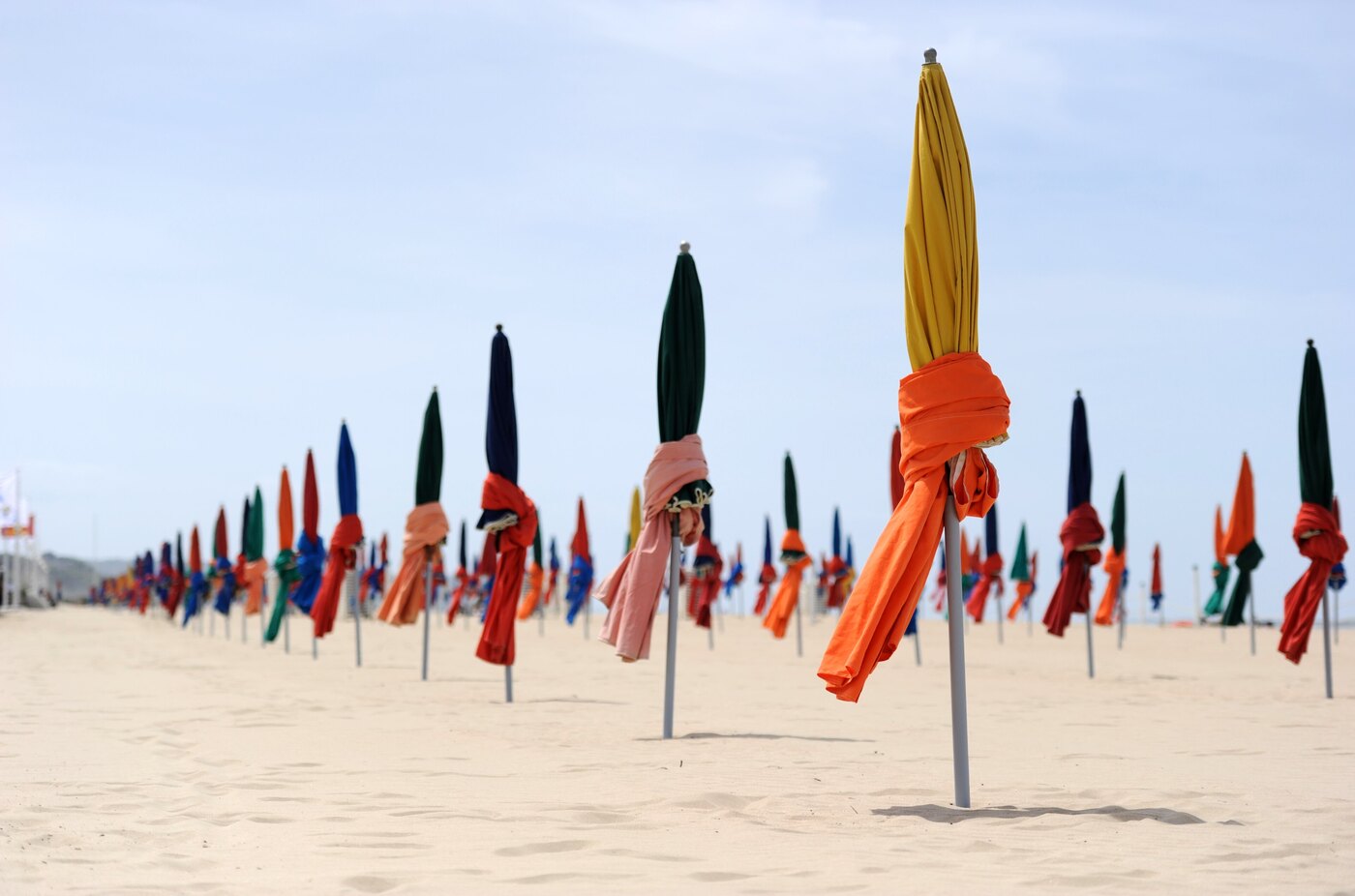
The colourful parasols on the beach at Deauville
Côte Fleurie · Calvados

Visiting DeauvilleA day on the Côte Fleurie, from the 5-star campsite La Capricieuse

Les Planches and their bathing huts, parasols lined up all the way to the sea, the casino and the half-timbered villas: Deauville is fifty minutes from your cottage in Luc-sur-Mer.

Discover

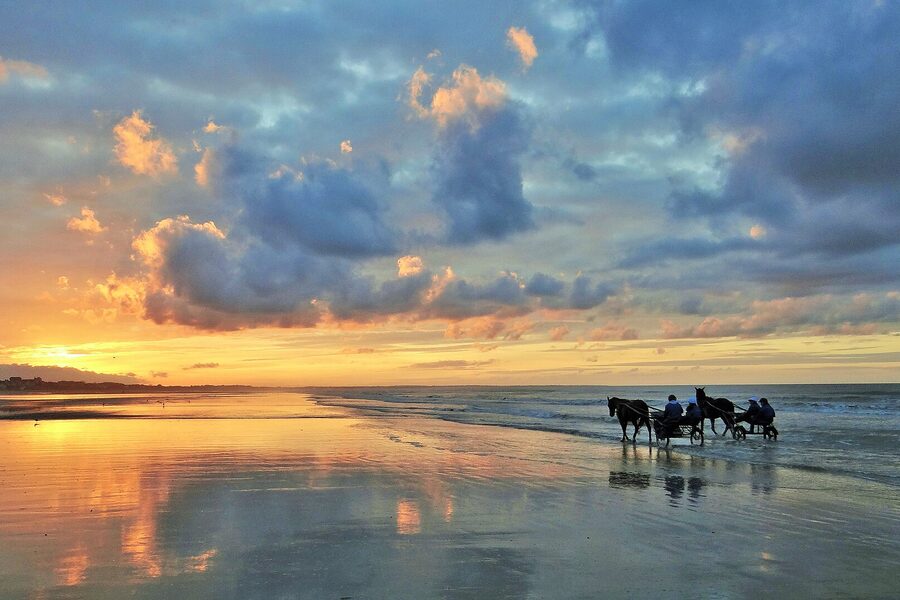
Deauville did not simply grow: the resort was born of a gamble in 1860, when the Duke of Morny decided to build a bathing town on marshland facing Trouville. A hundred and sixty years later the huts still carry the names of the stars of the American film festival, the parasols are lined up to the inch and the racehorses cross the beach at first light. It makes a day out: fifty minutes along the coast, and in the evening, back to the quiet of the Côte de Nacre. La Capricieuse, a five-star Yelloh Village campsite, is the base camp: cottages, a heated water park, a restaurant on site and the beach at the end of the lane.

Good to know

Getting there

From the campsite
  • 55 kmaway
  • 50 mindriving
  • Cabourg, Houlgatethe route

Taking the coast rather than the motorway means going through Cabourg, Houlgate and Villers-sur-Mer: a few minutes more, and a lovely road.

On the spot

Allow half a day
  • 1 hrthe boardwalk and the beach
  • 1 hrthe centre and the shops
  • 30 minthe harbour and the Touques

Deauville and Trouville face each other across the Touques: one bridge, five minutes on foot, and the atmosphere changes completely.

Good to know

Planning your visit
  • Paidparking
  • Septemberthe film festival
  • Saturdaythe covered market

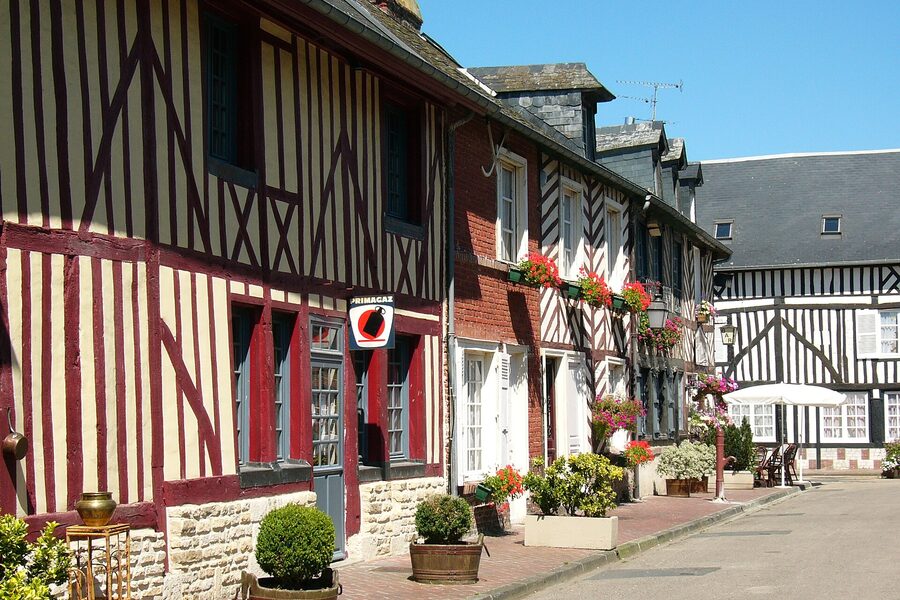
Parking is paid everywhere in the town centre, and the seafront car parks fill up early as soon as the weather is fine. The covered market, under its half-timbered hall, is worth the detour.

In town

Six stops in Deauville

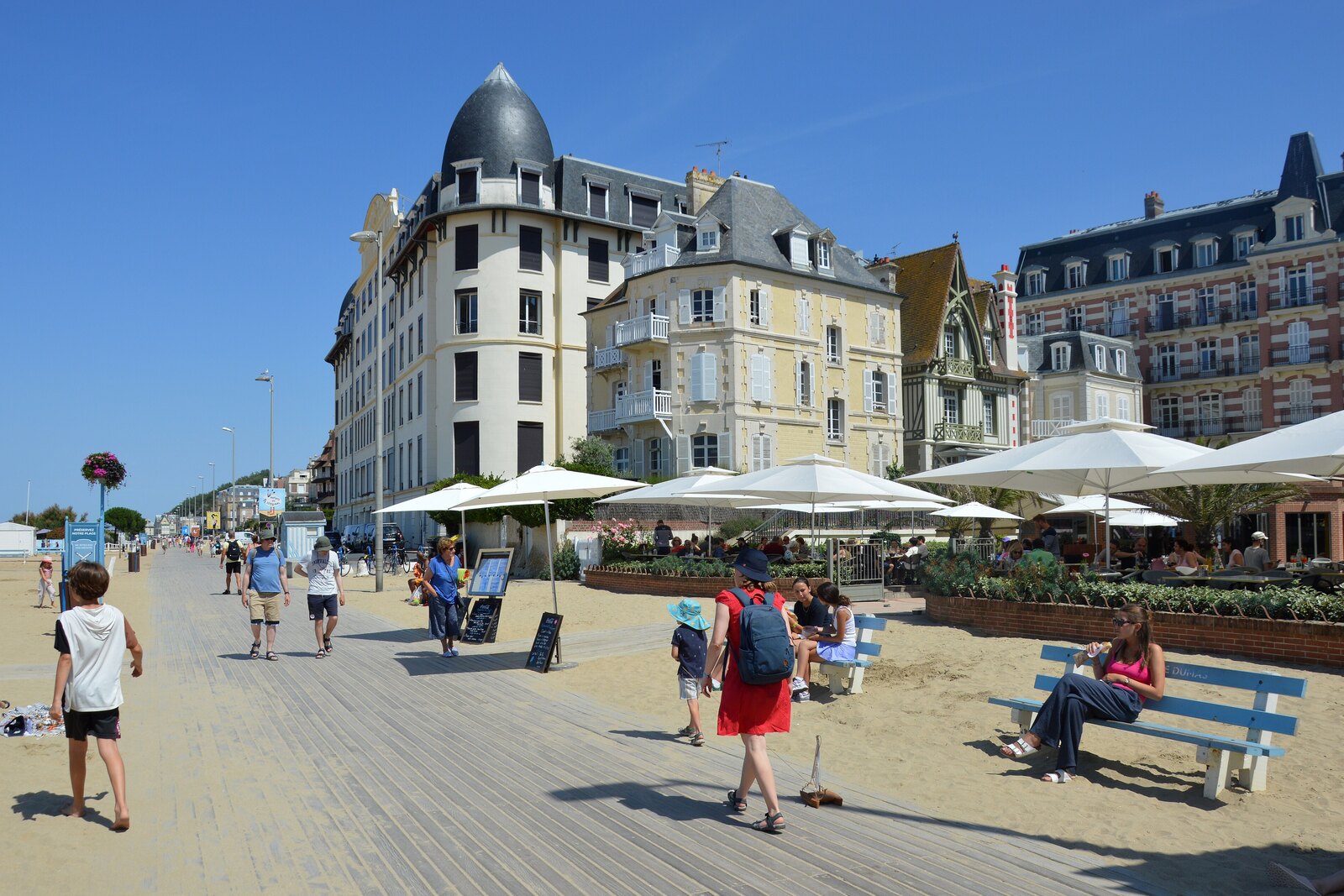
The Planches boardwalk at Deauville and its bathing huts

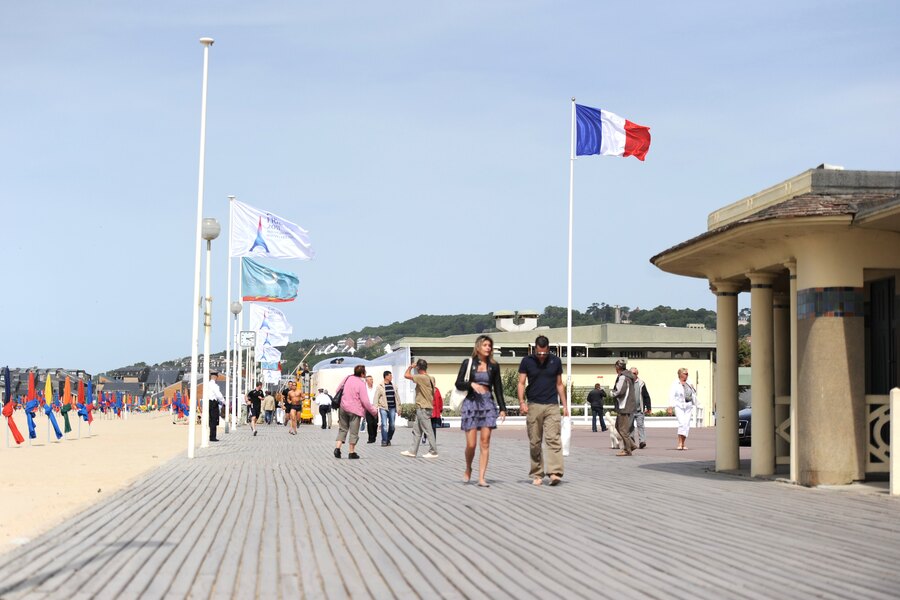
Les Planches

Six hundred and forty-three metres of exotic hardwood laid on the sand in 1923, lined with bathing huts and parasols. Each hut carries the name of a star who came to the American film festival: the walk reads like a set of credits. You can stroll it at any hour, and it is free.
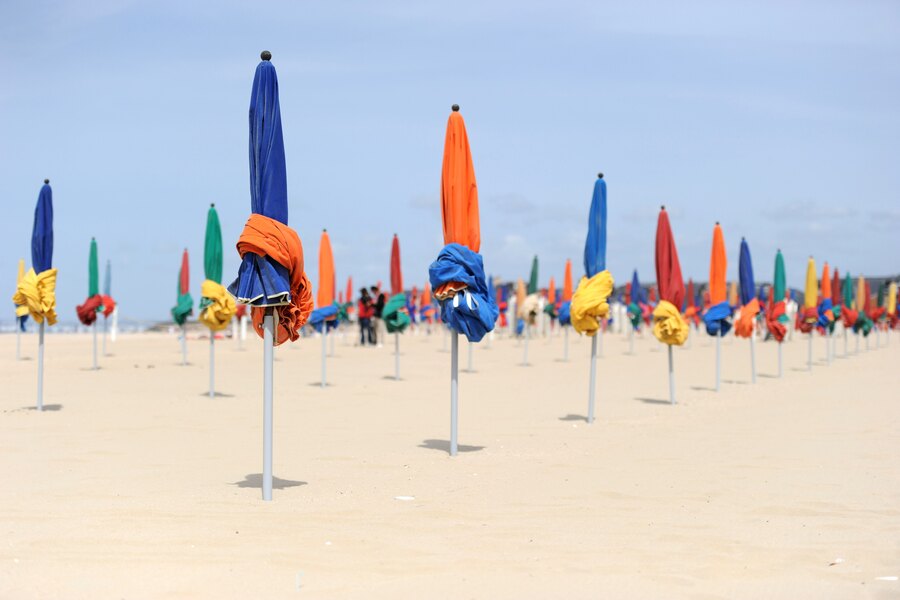
Multicoloured parasols lined up on the beach at Deauville

The beach and its parasols

Two kilometres of fine sand and hundreds of coloured parasols lined up to the inch: the most photographed image on the Côte Fleurie. Lifeguarded swimming in summer, a beach club for children, and a wind that delights land yachters out of season.

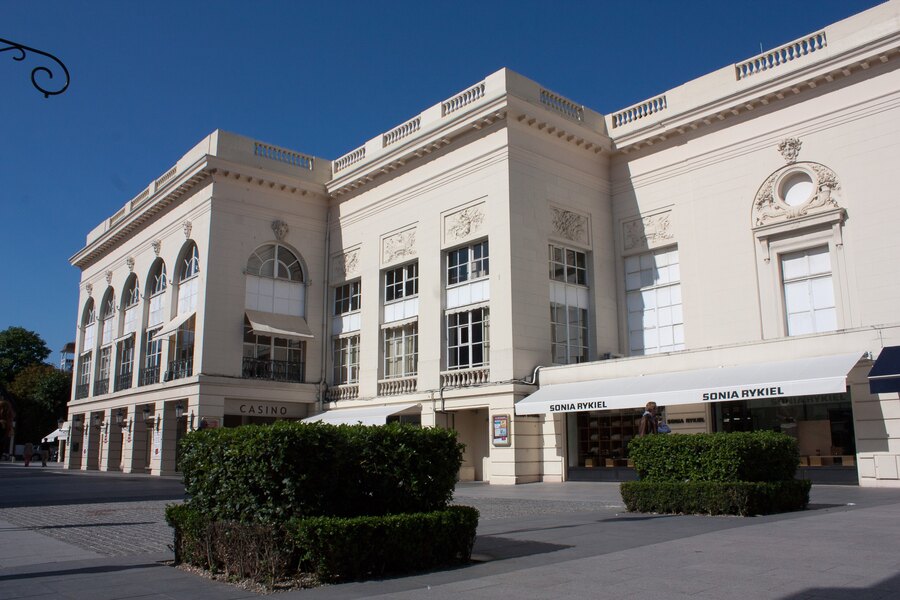
The front of the casino at Deauville

The casino

Built in 1912 in the style of a Louis XVI palace, it has seen every gambler and millionaire Europe could produce. You can go in without playing: the salons, the theatre and the brasseries are open to all, and the building alone is worth the look.

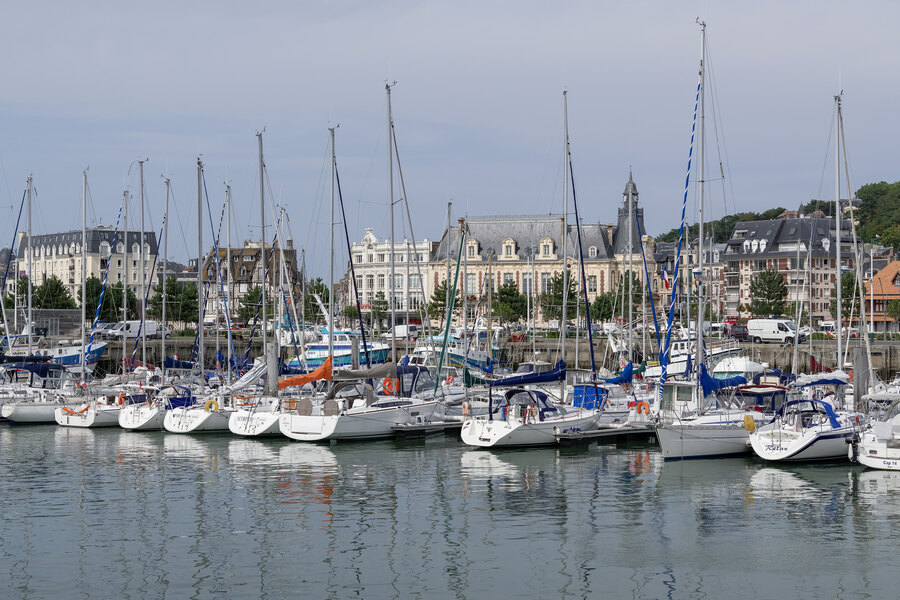
Sailing boats in the marina at Deauville

The harbour

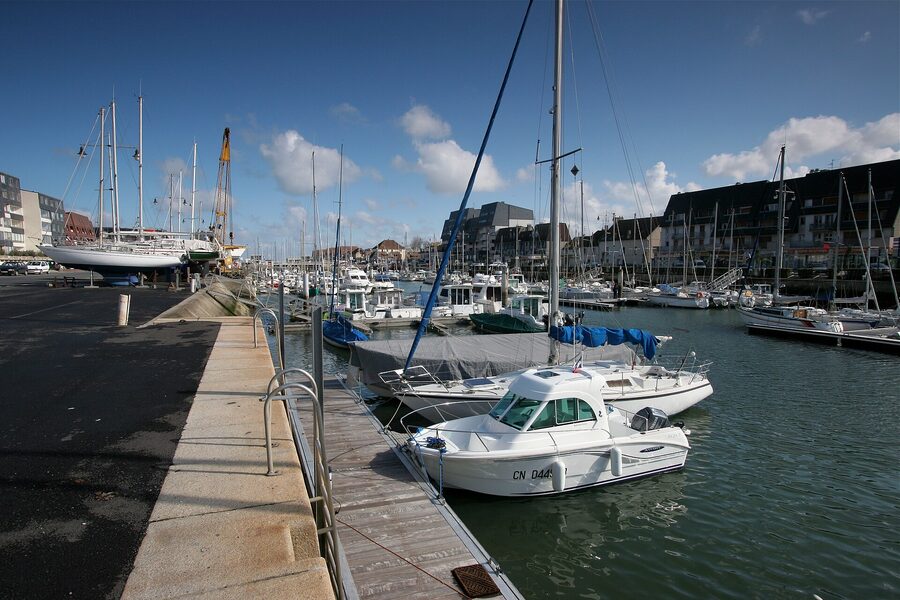
A wet dock at the foot of the town, yachts moored side by side and, further out, the pontoons of the Deauville Yacht Club. It is the quietest corner of the resort, the place for a drink while you watch the masts.

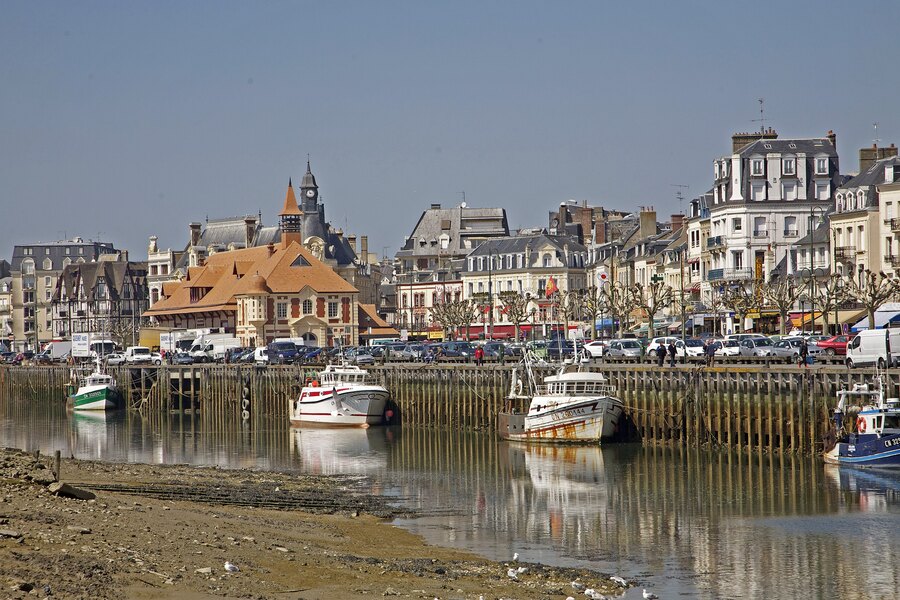
The harbour of Trouville-sur-Mer, on the other side of the Touques

Across the Touques

Trouville was there before Deauville: a real fishing port, with its auction hall, its terraces and its houses packed against the hillside. The two towns have always faced each other — one well-bred and laid out to the line, the other working and delightfully crooked.

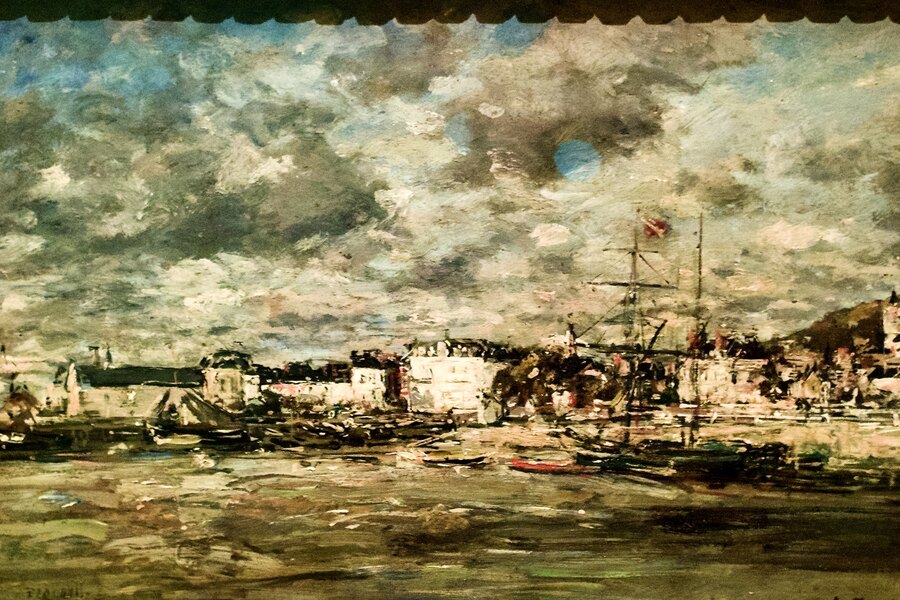
A view of Trouville painted by Eugène Boudin in 1875

The painters of the Côte Fleurie

Boudin, Monet, Dufy: the coast between Honfleur and Cabourg has been painted a hundred times over, for its immense skies and its fashionable beaches. The originals hang in the Honfleur museum and the MuMa in Le Havre, but the subject itself has not moved an inch.

Photo credits: Guillaume Paumier, Daniel Villafruela, Alexandre Prevot, W. Bulach, DimiTalen — Wikimedia Commons (CC BY / CC BY-SA / CC0) · Eugène Boudin, public domain.

The detour worth making

Trouville-sur-Mer

The boardwalk at Trouville-sur-Mer and its terracesPhoto: DimiTalen · CC0
5 minutes away, across the bridge

The fishing port, the fish market and the terraces

Cross the Touques: you go from a resort drawn with a ruler to a fishing port that smells of fresh fish. The fish market, open all year on the quay, spills over into terraces where oysters are eaten standing up. Trouville's boardwalk, less famous than Deauville's, runs along a beach just as wide — and often less crowded.

Frequently asked questions

Frequently asked questions about Deauville

How far is Deauville from La Capricieuse campsite?+
Fifty-five kilometres, fifty minutes by road. Taking the coast rather than the motorway means going through Cabourg, Houlgate and Villers-sur-Mer: a few minutes more, and a far lovelier road.
What should you see in Deauville in half a day?+
Les Planches and the beach (an hour), the centre and its shops (an hour), the harbour and the banks of the Touques (thirty minutes). The covered market, under its half-timbered hall, is worth the detour.
Where can you park in Deauville?+
Parking is paid everywhere in the town centre, and the seafront car parks fill up early as soon as the weather is fine. Arriving in the morning remains the best strategy in season.
Deauville or Trouville?+
Both: they face each other across the Touques. One bridge, five minutes on foot, and the atmosphere changes completely — the villas and the casino on one side, the fishing port and the market hall on the other.

Your base camp in Normandy

Five-star cottages, a heated water park and the beach fifty metres away, in Luc-sur-Mer.

Check availability
Village map — La Capricieuse
Map of La Capricieuse campsite: Omaha, Juno, Sword and Gold districts, water park in the centre and direct access to the D-Day beach
Click the map to zoom in · Esc to close